 Your Wish, Hand-Painted.
IWISHART ART GUIDE
How to Commission Custom Artwork for Hotels and Commercial Interiors
Build a clear artwork brief, sample process, approval schedule and shipment plan for hotel, office, restaurant and multi-site interior projects.
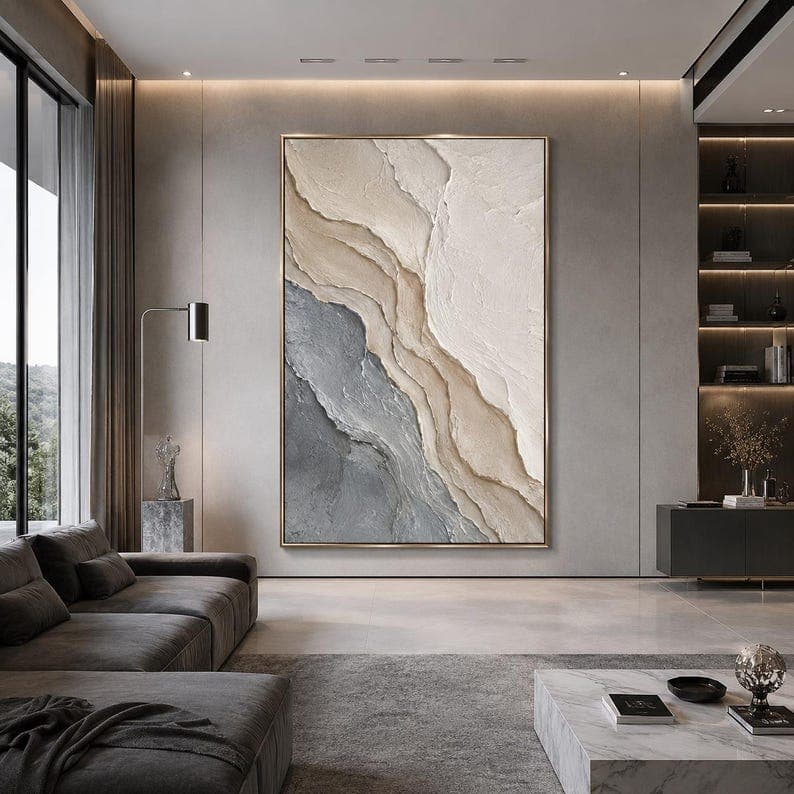
Hotel artwork commissioning workflow
| Stage | Required deliverable | Approval owner | Risk controlled |
|---|---|---|---|
| 1. Location planning | Artwork schedule with IDs, rooms, quantities and dimensions | Interior design / owner team | Missing pieces and wrong locations |
| 2. Specification | Medium, palette, texture, frame and acceptable variation | Design lead | Ambiguous production expectations |
| 3. Sampling | Material sample, composition sample or full control piece | Named project approver | Color and texture disputes |
| 4. Production | Approved schedule and controlled revision record | Procurement / supplier | Producing from outdated information |
| 5. Inspection | ID, size, finish, frame and packaging record | Agreed inspection party | Unidentified defects or shortages |
| 6. Delivery | Packing list mapped to rooms or phases | Logistics / receiving | Site handling and routing errors |
| 7. Installation | Elevations, weights and site-approved fixing plan | Local installer / project team | Unsafe or incorrect placement |
Turn the design concept into an artwork schedule
A mood board can communicate atmosphere, but it cannot control procurement. A hotel artwork package needs a schedule that connects every piece to a physical location. Assign an artwork ID and record the property, floor, room type, wall elevation, quantity, finished width and height, orientation, medium, frame, installation condition and required delivery phase.
Separate repeated guest-room pieces from one-off works for lobbies, restaurants and suites. The repeated package needs defined tolerances and consistent labeling; a prominent lobby work may require more design development, structural review and site coordination. Treating every piece as an anonymous 'large painting' creates preventable approval and installation problems.
The schedule should have one controlled owner. When dimensions change, record the revision date and communicate it to design, procurement, production and installation teams. A marked-up drawing and room photograph help, but the written finished dimension remains the purchasing reference.
Write a brief that a maker can build
A useful brief describes the desired visual direction and the practical boundaries. Include reference imagery, palette targets, composition, texture depth, medium, canvas or panel construction, finished size, frame material and color, edge treatment and orientation. State whether the references are conceptual or must be followed closely.
Color names are not sufficient for commercial work. 'Warm beige' can mean different things under different screens and lighting. Provide physical material references or recognized color standards where appropriate, then evaluate the artwork in lighting similar to the destination. Natural handmade variation should be expected, but acceptable variation can still be described.
Identify operational constraints early: public circulation, housekeeping contact, food-service proximity, humidity, direct sunlight, security, local codes and maintenance expectations. The artwork supplier can explain materials and construction, while the project consultants remain responsible for site-specific compliance and installation decisions.
Define finished dimensions
State whether dimensions refer to the canvas, frame opening or complete outside frame. For groups, record panel size, quantity, sequence and gap. Check dimensions against furniture, millwork, switches, wall lights, sprinklers and access routes before releasing production.
Define handmade variation
Document which elements must remain consistent—overall palette, composition, orientation and dimensions—and which may vary, such as individual palette-knife marks or subtle color mixing. A handmade repeat should feel related without being represented as mechanically identical.
Use samples to answer specific questions
Sampling is most valuable when the team knows what it is approving. A small material sample can test color, relief and finish. A scaled composition sample can test layout. A full-size control piece can establish the reference for repeated production. One sample may not answer every question.
Record the sample ID, date, dimensions, materials and viewing conditions. Collect comments into one coordinated response rather than sending conflicting notes from several stakeholders. Distinguish mandatory corrections from preferences that remain open to artistic interpretation.
Photographs and video are useful for remote review, especially for progress checks, but screens cannot reproduce exact color or tactile depth. If color and texture are critical, plan a physical sample and allow time for shipping, review and revision. Keep the approved control sample available during production when feasible.
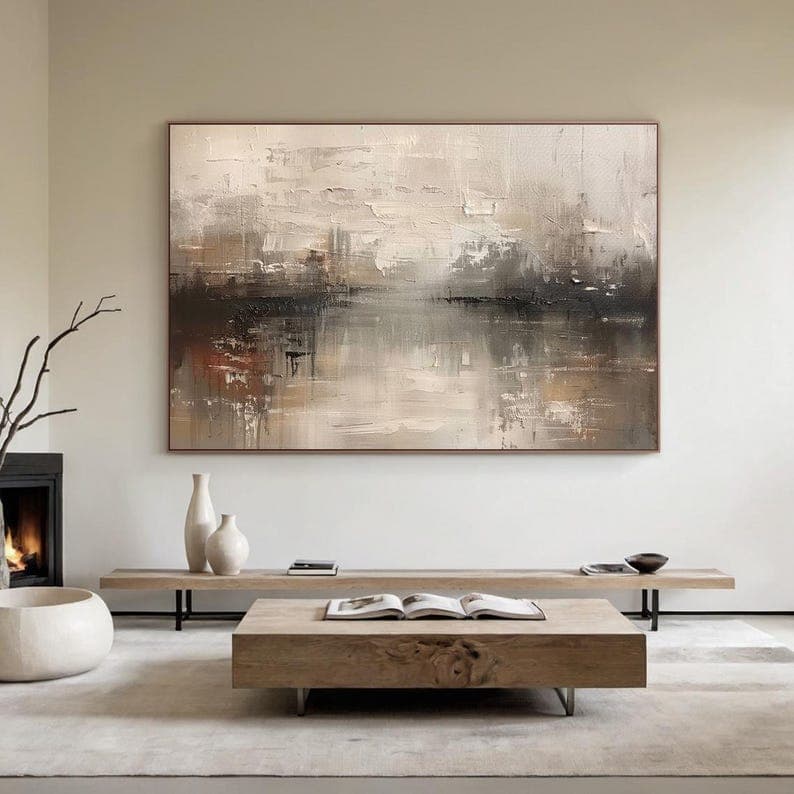
Pre-shipment inspection checklist
Plan approvals around the project program
Work backward from the required on-site date. Allow time for final specifications, sample production, review, revisions, full production, curing or stabilization as appropriate to the medium, inspection, protective packaging, international transport, customs processes and site distribution. Avoid promising a universal lead time without a confirmed quantity and scope.
Create decision gates: brief approval, material or control-sample approval, pre-production confirmation, progress review if required, final inspection and shipment release. Specify who can approve each gate. Delayed or fragmented decisions can affect production sequencing and delivery dates.
For phased projects, link each artwork ID to a delivery phase and destination. A shipment arranged by artwork style rather than installation sequence can increase site handling. Coordinate carton labels, packing lists and room-location schedules with the receiving team before dispatch.
Inspect against the specification
Inspection should verify identity before aesthetics. Check artwork ID, quantity, finished dimensions, orientation, medium, frame type, frame finish and hardware against the current schedule. Then review composition, palette, surface, corners, edges and cleanliness against the approved reference and agreed variation.
Photograph the front, back, frame corners, label and packaging condition. For repeated handmade pieces, evaluate the group as a family rather than expecting digital duplication. Flag material deviations and damage separately from acceptable hand-made differences.
A shipment inspection is not a substitute for installation review. Wall construction, fixing selection, alignment, local access and final placement remain site matters. However, confirming weight, hanging points and backing configuration before shipment gives the installer time to prepare.
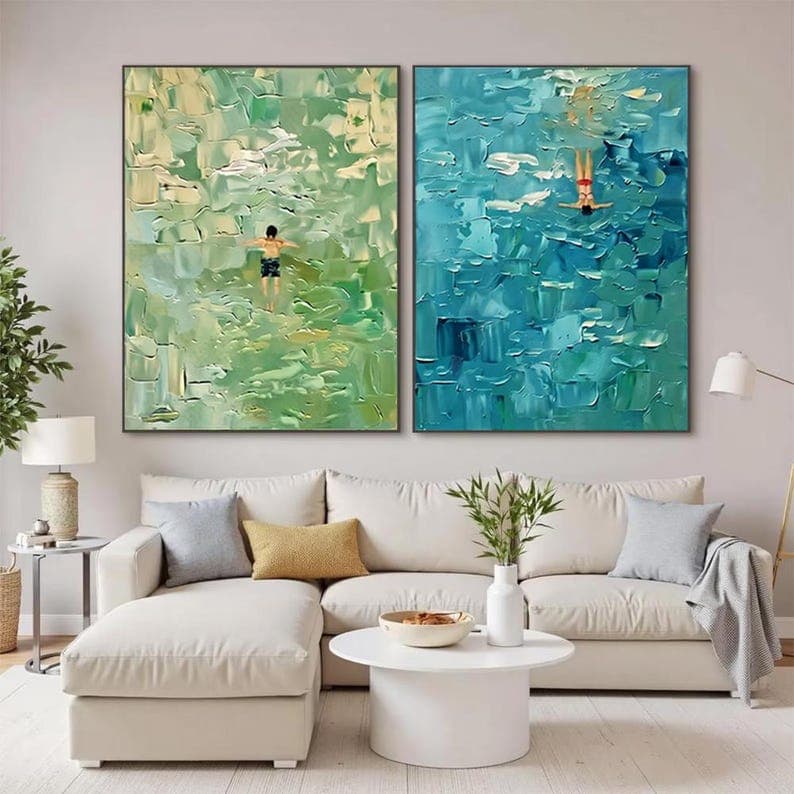
Package and label for the receiving team
Commercial shipments need identification that remains clear after protective wrapping. Match labels on the artwork, protective package, outer carton and packing list. Include project name, artwork ID, room or location, quantity sequence, orientation if ambiguous and handling instructions appropriate to the piece.
Raised surfaces need clearance so packing materials do not press into texture. Frames and corners need impact protection. Rolled canvases require suitable tubes or cartons and a plan for local stretching; framed or stretched works require access checks for doors, elevators and stairs.
Agree who will inspect cartons on arrival, record visible damage and preserve packaging for any claim. The receiving team should have the current artwork schedule and know whether pieces move directly to rooms, secure storage or an installation staging area.
Prepare installation before the shipment arrives
Confirm the wall substrate, artwork weight, hanging-point locations, finished elevation and any anti-theft or public-safety requirements. A qualified local installer should select fixings suitable for the actual construction and applicable project requirements. Generic hardware supplied with artwork may not be appropriate for every site.
Provide installers with elevations, artwork IDs, finished sizes and orientation images. For pairs and multi-panel compositions, state the intended gap and alignment line. Protect finished interiors during unpacking and retain a controlled area for checking each piece before it moves to its wall.
At handover, reconcile installed locations against the schedule, photograph completed elevations and record any replacements or touch-ups. Give the operations team practical care guidance and a contact route for future questions.
Questions to ask a custom artwork partner
Ask what is produced by hand, which materials are proposed, how repeat pieces will vary, what samples are available and how approvals are documented. Confirm who supplies frames, hanging hardware, labels and export packaging. Request a scope-specific production plan instead of relying on generic promises.
Discuss capacity and sequencing in relation to the actual quantity, but avoid treating an unverified statement as proof. References, samples, written specifications and staged approvals offer more useful evidence than broad claims about quality. Clarify change control, cancellation terms, claims procedures and responsibility for local installation.
IWISHART can receive project requirements for custom hand-painted artwork. A useful first inquiry includes the artwork schedule or room types, quantities, dimensions, palette references, destination and target date. Feasibility, samples, approvals and delivery should then be confirmed for the specific project in writing.
A repeatable commissioning workflow
The reliable sequence is simple: schedule every location, write buildable specifications, approve the right kind of sample, control revisions, inspect against the current schedule, label by destination and prepare installation before arrival. Each step turns a subjective design idea into a manageable project decision.
Custom artwork for hotels still carries handmade character. The goal is not to remove every variation; it is to decide where consistency is necessary and where variation is part of the intended result. Clear documentation protects that distinction.
A well-run artwork package supports design, procurement and operations at the same time. It gives the maker an achievable target, gives the project team visible approval points and gives the receiving team pieces they can identify and install.
Frequently asked questions
What information should a hotel artwork brief include?
Include artwork IDs, locations, quantities, finished dimensions, orientation, visual references, palette, medium, texture, frame, installation condition, delivery phase and approval contacts. Also identify site constraints and whether references are conceptual or must be followed closely.
Can handmade artwork be repeated across guest rooms?
Yes, but handmade versions will not be mechanically identical. Define the composition, overall palette, dimensions and frame elements that must remain consistent, then document acceptable variation in brushwork and color mixing. Approve a control sample before repeated production begins.
Should hotel artwork samples be physical?
Use a physical sample when exact material, texture, frame finish or color response is important. Photographs and video support remote review but cannot reproduce tactile depth or exact color. A material sample, scaled composition sample and full-size control piece answer different questions.
How should custom hotel artwork be labeled?
Match the artwork ID on the piece, protective wrapping, outer carton and packing list. Add project, room or location, sequence and orientation where helpful. Labels should allow the receiving and installation teams to route a piece without opening every carton.
Who should choose installation hardware for commercial artwork?
A qualified local installer or project professional should select fixings based on the actual wall construction, artwork weight and applicable site requirements. The artwork supplier should provide dimensions, weight and hanging-point information, but generic hardware is not suitable for every substrate.
How far ahead should custom artwork be ordered?
There is no responsible universal lead time. Work backward from installation and allow for specification, sampling, revisions, production, medium-specific stabilization, inspection, packaging, transport, customs and site distribution. Quantity, complexity and approval speed all affect the program.
Continue planning
IWISHART Trade Program → Gives designers and hospitality teams a clear route to submit project requirements.
Custom Artwork Process → Connects the procurement framework to the site's custom-art enquiry path.